
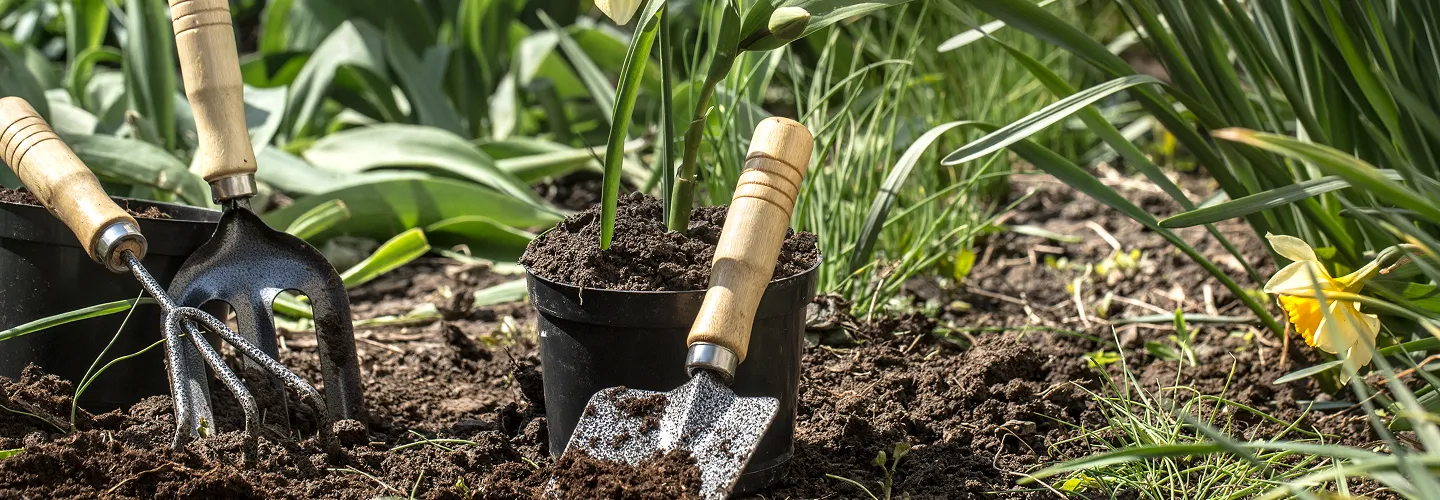
Scenic Oaks Flower Planting Services
Choose our flower planting services for vibrant, expertly arranged blooms that enhance your curb appeal and bring lasting beauty to your outdoor spaces.
Get a Free QuoteOur Scenic Oaks Landscaping & Yard Care Services
When to Schedule Flower Planting in Scenic Oaks, Texas – Seasonal Guide
In Scenic Oaks, Texas, timing your flower planting is crucial for vibrant, long-lasting blooms. The region’s unique blend of warm temperatures, periodic droughts, and occasional late frosts means that early spring and late fall are generally the best windows for planting. Neighborhoods near the Scenic Oaks Country Club and along Babcock Road often experience microclimates due to varying tree coverage and elevation, so it’s important to consider your specific location.
Local gardeners should pay close attention to the last expected frost date, typically in early March, and the onset of summer heat, which can arrive quickly. Soil in Scenic Oaks tends to be alkaline and rocky, especially near the Government Canyon State Natural Area, so amending your beds before planting is recommended. Humidity levels and shade from mature oaks can also impact which flower varieties will thrive. For more detailed local climate data, consult resources like the Sudbury municipal site.
Local Factors to Consider for Flower Planting in Scenic Oaks
- Tree density and shade coverage, especially in established neighborhoods
- Soil composition and drainage, which can vary near Leon Creek and higher elevations
- Average precipitation and risk of drought during late spring and summer
- Municipal watering restrictions and seasonal guidelines
- Terrain slope, which affects runoff and soil moisture retention
- Proximity to natural preserves or greenbelts, influencing local wildlife and pollinator activity
Benefits of Flower Planting in Scenic Oaks
Expert Landscaping Services
Customized Garden Designs
Seasonal Plant Selection
Enhanced Curb Appeal
Eco-Friendly Practices
Reliable Local Team

Scenic Oaks Flower Planting Types

Perennial Flower Beds
-
Annual Flower Displays
-
Native Wildflower Gardens
-
Shade-Loving Flower Arrangements
-
Pollinator-Friendly Plantings
-
Seasonal Bulb Planting
-
Drought-Tolerant Flower Selections
Our Flower Planting Process
Site Evaluation
Soil Preparation
Plant Selection
Careful Planting
Watering and Mulching
Why Choose Scenic Oaks Landscape Services
-
Scenic Oaks Homeowners Trust Us
-
Expert Lawn Maintenance
-
Reliable Irrigation Solutions
-
Comprehensive Seasonal Cleanup
-
Competitive Pricing
-
Professional Team
-
Satisfaction Guarantee
Soil Series and Drainage Considerations for Flower Planting in Scenic Oaks
Scenic Oaks is characterized by Vertisols and Mollisols, including the Houston Black clay and Lewisville silty clay loam, as identified by the USDA Web Soil Survey. These soils are moderately alkaline (pH 7.5-8.2) and exhibit slow drainage, which can impact root development and water management for flower beds. When preparing planting sites, incorporate 2-3 inches of compost tilled to a 6-inch depth to improve structure and drainage. Soil testing is recommended through Texas A&M AgriLife Extension (typical cost: $15-25). For areas with persistent water retention, raised beds at least 8-12 inches high are advised. Mulching with 2-3 inches of organic material helps regulate soil moisture and temperature.
Scenic Oaks Property Owners Association
27314 Stablewood Lane, Scenic Oaks, TX 78006
Phone: (210) 695-8766
Official Website: Scenic Oaks Property Owners Association
Seasonal Timing and Climate Zone Guidance for Scenic Oaks Flower Planting
Scenic Oaks falls within USDA Hardiness Zone 8b, with average annual minimum temperatures of 15-20°F. The optimal window for planting most perennial and annual flowers is from March 1 to April 15, when soil temperatures reach 55-65°F. Fall planting of hardy perennials is best completed by October 15 to allow root establishment before winter. Avoid planting during peak summer (June-August), as high temperatures and drought stress can impede establishment. Monitor local forecasts using the National Weather Service San Antonio Office for frost advisories and rainfall patterns. Key timing recommendations include:
- Spring planting: March 1 – April 15 (soil temp 55-65°F)
- Fall planting: September 15 – October 15
- Avoid: June-August (heat/drought stress)
- Mulch immediately after planting to conserve moisture
Scenic Oaks Municipal Regulations and Permit Requirements for Landscape Planting
All flower planting projects in Scenic Oaks must comply with community covenants and local ordinances, including setback requirements and restrictions on invasive species. The Scenic Oaks Restrictions and Bylaws specify that landscape modifications within 10 feet of property lines require prior approval, and all plantings must maintain a 25-foot buffer from designated drainage easements. Use of herbicides and fertilizers is regulated under the Texas Water Code to prevent runoff into local waterways. Permit applications for major landscape changes can be accessed through the community portal, with a typical review period of 10 business days. Prohibited activities include:
- Planting within 25 feet of drainage easements
- Use of non-approved invasive species
- Application of fertilizer within 50 feet of water bodies
Scenic Oaks Restrictions and Bylaws
27314 Stablewood Lane, Scenic Oaks, TX 78006
Phone: (210) 695-8766
Official Website: Scenic Oaks Restrictions and Bylaws
Environmental Compliance: Stormwater, Buffer Zones, and State Law in Scenic Oaks
Flower planting in Scenic Oaks must adhere to stormwater management protocols under the Clean Water Act and the Texas Commission on Environmental Quality’s MS4 permit program. It is prohibited to deposit soil, mulch, or plant debris in storm drains or within 25 feet of wetlands and ephemeral streams. Buffer zones must be maintained to protect local water quality, and all fertilizer or pesticide applications must comply with Texas Water Code restrictions. Key compliance steps include:
- Maintain 25-foot no-disturbance buffer from wetlands
- Prohibit dumping of plant debris in storm drains
- Use only approved products for fertilizer and pest control
- Document all applications for inspection
Texas Commission on Environmental Quality
12100 Park 35 Circle, Austin, TX 78753
Phone: (512) 239-1000
Official Website: Texas Commission on Environmental Quality
Recommended Flower Species and Planting Methods for Scenic Oaks Conditions
Selecting species adapted to Scenic Oaks’s alkaline, clay-rich soils and hot summers is essential for sustainable flower beds. Recommended species include:
- Full sun: Black-eyed Susan (Rudbeckia hirta), lantana (Lantana camara), mealycup sage (Salvia farinacea)
- Partial shade: Turk’s cap (Malvaviscus arboreus), columbine (Aquilegia chrysantha)
- Deer resistant: Autumn sage (Salvia greggii), society garlic (Tulbaghia violacea)
- Native options: Winecup (Callirhoe involucrata), bluebonnet (Lupinus texensis) Spacing should be 12-18 inches for annuals and 18-24 inches for perennials. Incorporate 2-3 inches of compost and avoid overwatering, as clay soils retain moisture. For further guidance, consult Texas A&M AgriLife Extension for region-specific planting recommendations.
What Neighborhoods Do We Serve Throughout Scenic Oaks, TX?
- Stablewood Farms: Features expansive lots with Houston Black clay soils, requiring raised beds and compost amendments for optimal drainage and flower establishment.
- The Estates at Scenic Oaks: Characterized by mature oak canopies and partial shade, necessitating shade-tolerant species and careful root zone protection during planting.
- The Oaks North: Newer development with compacted soils and active HOA oversight, requiring adherence to setback rules and approval for landscape modifications.
- Scenic Oaks Park Area: Proximity to parkland and drainage easements means strict enforcement of buffer zones and restrictions on fertilizer use to protect local waterways.
- The Trails: Rolling terrain with moderate slopes and mixed soil types, presenting challenges for erosion control and requiring mulching and terracing for flower beds.
- The Enclave: Smaller lots with limited access, making container gardening and drip irrigation systems practical for efficient water use and compliance with community standards.